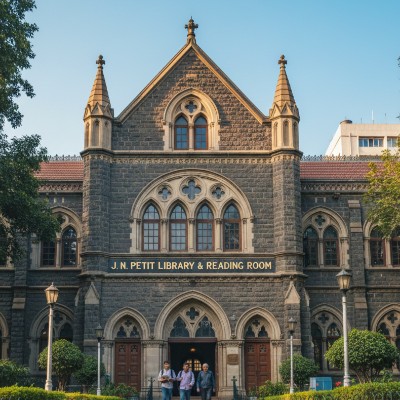
Mumbai Fort Area

About
The Mumbai Fort area is one of the most historically rich and architecturally significant districts in Mumbai. Dating back to the British colonial era, it served as the administrative and commercial hub of the city. Walking through the area, visitors are greeted by majestic colonial buildings, heritage monuments, and bustling streets that tell tales of a bygone era. Key highlights include Flora Fountain, a neo-classical marvel; Bombay High Court, an architectural gem; and Elphinstone Circle, a busy heritage square that captures the essence of old Mumbai. The narrow lanes are dotted with vintage shops, cafes, and local markets that provide a unique blend of history and contemporary life. Tourists can also enjoy street photography, cultural tours, and guided heritage walks, making it an ideal destination for history buffs, architecture enthusiasts, and curious travelers alike. The area’s lively atmosphere, combined with its historical importance, offers a glimpse into Mumbai’s colonial past and its evolution into a modern metropolis.
  • Flora Fountain - Neo-classical heritage fountain built in 1864
  • Bombay High Court - Gothic Revival architecture, established in 1878
  • Elphinstone Circle - Major heritage square with colonial charm
  • Narrow streets lined
History

The Mumbai Fort area, a historic Mumbai landmark, traces its origins back to the British colonial period when it served as the administrative and commercial heart of the city. The district was fortified to protect trade and governance and became a symbol of Mumbai’s growing prominence.

Key highlights:

  • Flora Fountain - Built in 1864, symbolizing prosperity and elegance

  • Bombay High Court - Gothic Revival architecture, established in 1878
  • Elphinstone Circle - Named after Governor Mountstuart Elphinstone, major civic square

  • Fortifications and city walls removed in 1860s to expand the city

  • Served as the center for trade, law, and governance during the colonial era


Facts & Figures

The Mumbai Fort area is not only a heritage hub but also a center of historical data and architectural significance. The district showcases remarkable structures, monuments, and civic institutions that define Mumbai’s colonial past.

Key points:

  • Total area: Approximately 1.5 sq km
  • Key landmarks: Flora Fountain, Bombay High Court, Elphinstone Circle
  • Architectural styles: Gothic Revival, Neo-classical, Colonial

  • Visitors: Around 10,000–15,000 daily including tourists and local commuters

  • Roads and lanes: Narrow historic streets with vintage shops and markets

  • Heritage structures: Over 50 buildings listed for preservation

  • Cultural activities: Heritage walks, photography tours, local festivals


Current Scenario

Today, the Mumbai Fort area remains a vibrant heritage and commercial hub, blending history with modern city life. The streets are bustling with office-goers, local shops, and tourists exploring its colonial charm. Conservation efforts by heritage organizations and the municipal authorities aim to preserve the iconic structures, while periodic restoration projects maintain the architectural integrity. The area hosts cultural events, street photography walks, and guided heritage tours, making it a lively destination for history enthusiasts and travelers. Despite urban development, the Fort area retains its historical essence, offering a unique glimpse into Mumbai’s colonial past amidst modern hustle and bustle.

Key points:

  • Heritage restoration projects ongoing for colonial buildings

  • Guided tours and heritage walks frequently organized

  • Area crowded during weekdays with office traffic

  • Tourist influx higher on weekends

  • Local markets and cafes thriving alongside heritage sites

  • Street photography is popular among visitors


Best Time to Visit

The Mumbai Fort area can be visited year-round, but the most pleasant experience is during the cooler and dry months. Exploring the heritage buildings, walking through narrow streets, and enjoying outdoor photography is much more comfortable when the weather is mild. Monsoon season brings heavy rains, which may limit outdoor activities and walking tours. Festivals and cultural events in the city add vibrancy, providing visitors a chance to witness local traditions alongside historic landmarks.

Key points:

  • October to February – Best months with mild temperatures and clear skies

  • March to May – Warm and humid; carry light clothing and water

  • June to September – Monsoon season; heavy rains may disrupt walking tours

  • Cultural festivals in Mumbai enhance the visiting experience

  • Weekdays recommended for less crowded streets and better photography
0410
Timings & Entry Fees

The Mumbai Fort area is an open public heritage district, accessible throughout the day. Key landmarks and buildings within the area may have specific timings and nominal entry fees for guided tours or certain monuments. Visitors are advised to check the timings of individual heritage sites to plan their visit efficiently. Please note that timings and fees are subject to change, so it is recommended to visit official websites or contact local authorities for the latest information.

Key points:

  • General access: Open 24 hours to the public

  • Guided heritage walks: Usually between 9:00 AM – 6:00 PM
  • Key landmarks may have entry fees (nominal, varies per site)

  • Weekends may be busier; early morning recommended for photography

  • Check official sources for updates on timings and fees


How to Reach

The Mumbai Fort area is centrally located in Mumbai, making it easily accessible by various modes of transport. Visitors can reach this historic district via air, train, road, or metro, depending on their preference and starting point. The area is well-connected with nearby landmarks, making it convenient for tourists to explore both heritage sites and local markets.

Key points:

  • By Air – Nearest airport: Chhatrapati Shivaji Maharaj International Airport, approximately 25 km from Fort area. Taxi or app-based cab recommended for direct access.

  • By Train – Nearest railway stations: Chhatrapati Shivaji Terminus (CST) and Masjid Bunder. Short walk or rickshaw ride to heritage sites.

  • By Road / Metro – Well-connected via D.N. Road and M.G. Road. Nearest metro station: Churchgate Metro / CST Metro Corridor. Auto-rickshaws, taxis, and local buses readily available.

  • Peak hours can be crowded; early morning or late afternoon recommended for smoother commute.


Tips & Hacks

Visiting the Mumbai Fort area is best enjoyed with a few practical tips to enhance your experience. Planning your visit during off-peak hours, carrying essentials, and respecting local customs can make your trip smooth and memorable. Photography enthusiasts and history buffs will find the heritage district particularly rewarding when exploring on foot.

Key points:

  • Visit early morning to avoid crowds and heat

  • Wear comfortable walking shoes for narrow lanes

  • Carry water, sunscreen, and a hat during warmer months

  • Street photography is allowed; respect private property

  • Follow local etiquette while exploring temples, fountains, and markets

  • Guided heritage walks provide rich historical context

  • Keep small change handy for rickshaws, local shops, and food stalls

  • Accessible for wheelchairs in main roads, but some lanes may be uneven


Recommendations for Tourists

For visitors to the Mumbai Fort area, a well-planned itinerary can enhance the heritage experience. Both local and international tourists will enjoy exploring the colonial architecture, bustling markets, and cultural landmarks. Guided tours and self-walks provide flexibility, while nearby food options add to the local experience.

Key points:

  • Local Tourists – Explore heritage buildings, enjoy vintage shops, join weekend walking tours, and budget-friendly photography opportunities

  • International Tourists – Take guided heritage tours, visit Flora Fountain, Bombay High Court, and Elphinstone Circle, experience local markets and cultural insights

  • Suggested itinerary slot: Morning heritage walk, afternoon market visit, evening street photography around landmarks

  • Combine Fort area visit with nearby attractions like Marine Drive and Chhatrapati Shivaji Terminus for a full-day cultural experience
0810
Food Courts / Food Options Nearby

The Mumbai Fort area offers diverse food options catering to different tastes and budgets. From street food stalls to small cafes and casual eateries, visitors can enjoy local Maharashtrian snacks as well as popular Indian and international dishes.

Key points:

  • Leopold Cafe – Continental and Indian cuisine, approx. ₹800 per person
  • Britannia & Co. Restaurant – Parsi specialties, approx. ₹500 per person
  • Cafe Mondegar – Casual cafe serving fast food and beverages, approx. ₹400 per person
  • Bademiya Street Food – Kebabs and rolls, approx. ₹150–₹200 per person
  • Must-try food options: Parsi Berry Pulav, Seekh Kebabs, Bun Maska with Irani Chai

  • Nearby local cafes – Quick snacks and tea, approx. ₹100–₹250 per person


Additional Notes

The Mumbai Fort area is rich in stories, culture, and heritage. Beyond architecture, it offers unique opportunities for photography, sketching, and cultural exploration. Many street festivals and local events are held here, reflecting Mumbai’s diverse culture. Visitors are encouraged to take guided heritage walks to understand the historical significance of lesser-known alleys and buildings. The area also provides great views of colonial-era fountains, statues, and civic landmarks, making it ideal for travelers interested in history, architecture, and urban exploration.

Key points:

  • Ideal spot for heritage photography and sketching

  • Hosts local festivals, cultural events, and street performances

  • Lesser-known alleys reveal hidden colonial architecture

  • Provides picturesque views of fountains, statues, and civic landmarks

  • Guides and local historians offer enriching storytelling experiences

2141


Places Nearby Mumbai Fort Area
Frequently Asked Questions
Q1: What is the entry fee for the Mumbai Fort area?
A1: Entry to the Mumbai Fort area is generally free for all visitors, though certain guided tours or heritage buildings may charge a nominal fee.
Q2: What are the best months to visit the Mumbai Fort area?
A2: The best time to visit the Mumbai Fort area is from October to February when the weather is mild and pleasant for walking and sightseeing.
Q3: Is photography allowed in the Mumbai Fort area?
A3: Yes, photography is allowed in the Mumbai Fort area, including street photography and heritage buildings, but visitors should respect private property and signage.
Q4: How can tourists reach the Mumbai Fort area by public transport?
A4: Tourists can reach the Mumbai Fort area via Chhatrapati Shivaji Terminus (CST) or Masjid Bunder railway stations, by local buses, auto-rickshaws, taxis, or nearby metro stations.
Q5: Are guided tours available in the Mumbai Fort area?
A5: Yes, guided heritage tours are available in the Mumbai Fort area offering historical insights and detailed information about colonial architecture and landmarks.
Q6: What are some must-see landmarks in the Mumbai Fort area?
A6: Some must-see landmarks in the Mumbai Fort area include Flora Fountain, Bombay High Court, and Elphinstone Circle, each showcasing colonial architecture and heritage significance.
Q7: Is the Mumbai Fort area suitable for children and family visits?
A7: Yes, the Mumbai Fort area is family-friendly, offering open streets, cultural landmarks, and guided tours suitable for children and adults alike.
Q8: Can international tourists easily explore the Mumbai Fort area on foot?
A8: Yes, international tourists can easily explore the Mumbai Fort area on foot. The streets are walkable, and guided tours help navigate historic sites efficiently.
Q9: Are there any cultural events held in the Mumbai Fort area?
A9: Yes, the Mumbai Fort area hosts occasional street festivals, heritage walks, and cultural events, showcasing Mumbai’s history and traditions.
Q10: Is the Mumbai Fort area accessible for differently-abled visitors?
A10: The main roads in the Mumbai Fort area are mostly accessible for differently-abled visitors, but some lanes may be uneven, so caution is advised.
Q11: Are there local markets or shopping options in the Mumbai Fort area?
A11: Yes, the Mumbai Fort area has several local markets and shops where visitors can buy handicrafts, vintage items, and souvenirs.
Q12: Can visitors find food and refreshments near the Mumbai Fort area?
A12: Yes, visitors can find a variety of cafes, restaurants, and street food options near the Mumbai Fort area, catering to different tastes and budgets.
Q13: What is the ideal duration to explore the Mumbai Fort area?
A13: The ideal duration to explore the Mumbai Fort area is approximately 2–4 hours, including walking through heritage streets and visiting key landmarks.
Q14: Is there any safety concern while visiting the Mumbai Fort area at night?
A14: While the Mumbai Fort area is generally safe during the day, it is advisable to avoid narrow lanes at night and stick to well-lit streets.
Q15: Are there guided walking tours available in the Mumbai Fort area?
A15: Yes, guided walking tours are available in the Mumbai Fort area, offering detailed insights into heritage buildings, colonial architecture, and local history.